
The Split-Second Decision Behind Most Failing to Remain / Stop Charges in Ontario
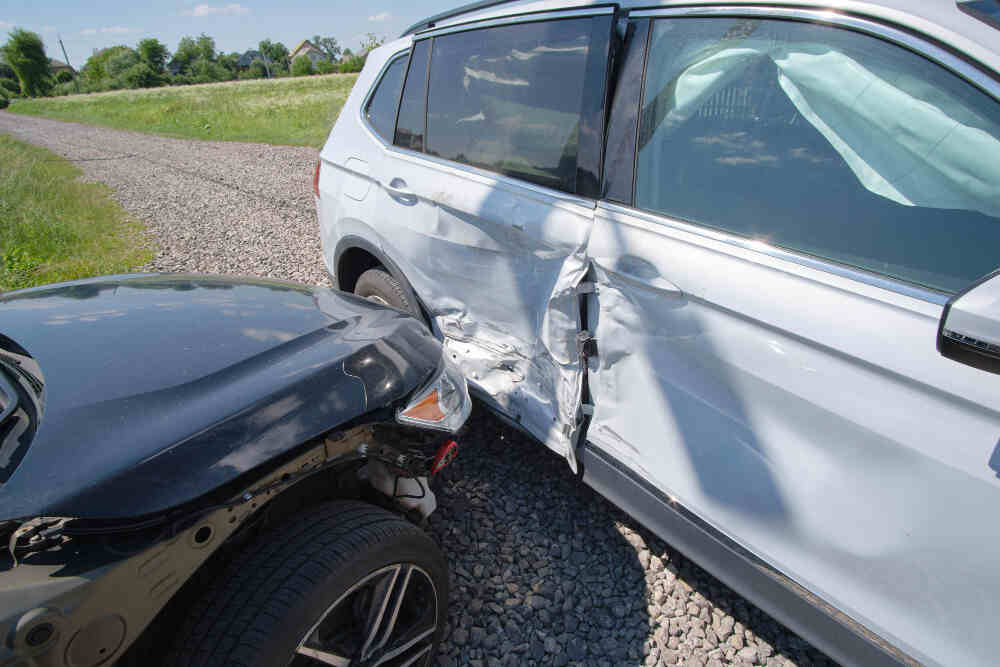
Very few drivers charged with Failing to Remain / Stop ever leave their home expecting that kind of trouble. The offence almost always begins with a small moment behind the wheel that spirals into something much larger within seconds. A parking lot bump, a clipped side mirror, a scrape against a bollard that may or may not have damaged another car, and then a fleeting internal debate about whether to stop. By the time the driver has made up their mind, the car is already half a block away, and what felt like a minor hesitation has become the foundation for a charge that can carry real criminal consequences. Understanding how that split-second decision becomes a prosecutable offence is where any serious defence begins.
The Law Does Not Measure the Damage, It Measures the Choice
Drivers involved in collisions in Ontario have legal obligations that are activated the moment the incident takes place, with two different statutes having specific legal duties for such drivers: Section 200 of the Ontario Highway Traffic Act requires them to remain at the scene, offer assistance if necessary and exchange information; while under Criminal Code section 320.16 this could even constitute criminal negligence!
The Crown assesses damage on an individual basis; any degree of damage may warrant charges, from minor scratches to major collisions. What the Crown pays attention to after an incident is the driver’s conduct post-event and how this reveals their state of mind; intent can often be inferred from small details surrounding a driver’s departure.
Why Panic Drives So Many of These Cases
In practice, most drivers charged under these sections did not leave because they wanted to avoid responsibility. They left because they froze, they were embarrassed, they were unsure whether a collision had actually occurred, or they believed the damage was too minor to warrant stopping. None of those reasons are legal defences on their own, but they do explain why thousands of otherwise law-abiding Ontario drivers end up facing these charges every year.
Common scenarios that lead to charges include:
- Leaving a parking lot after bumping a stationary vehicle without locating the owner
- Driving away after a low-speed rear-end contact where no one appeared injured
- Continuing home after striking an object that turned out to be another vehicle
- Returning to the scene later, after the other driver had already called police
Each of these situations can look innocent from the inside of the car and very different from the perspective of a responding officer reading a witness statement.
How the Crown Builds the Case
Investigations of these offences often rely on evidence the driver never noticed at the time, such as surveillance video from nearby businesses or dash cam footage from other vehicles; licence plate readings from witnesses; paint transfer between vehicles or identification of drivers at the scene by officers using multiple sources; once identification has been confirmed, focus shifts to intent: officers consider how quickly a driver left, whether they looked back when leaving; attempted to cover up damage on their own vehicle before reporting the incident later or whether any evidence from this investigation will form the picture presented to courts as evidence presented against by prosecution prosecutors during court cases. All these factors together create the picture which presents in court; none alone will ever provide conclusive proof – together they provide enough evidence against accused parties alleged in court cases arising out of incidents like this one!
The Defenses That Actually Work
Erickson Law’s approach to these files involves closely reviewing every piece of disclosure; oftentimes the difference between criminal charges and withdrawn charges lies in small details that the driver never thought were significant. A driver who truly didn’t realize they were involved can offer an effective defence, particularly with low impact contacts where sensation was minimal inside their vehicle. Charter challenges challenging investigation or identification evidence are another potential avenue. At Erickson Law we closely scrutinise these files because details they never expected could become important can sometimes make all the difference when facing criminal records charges or withdrawal of charges altogether.
The Consequences That Follow the Moment
A conviction does not stay at the courthouse. Criminal charges under Section 320.16 can lead to driving prohibitions, significant fines, and in serious cases involving bodily harm or death, jail time. Even a conviction under the Highway Traffic Act produces seven demerit points, possible licence suspension, and steep insurance increases that last for years. For drivers whose jobs depend on a clean record or border travel, the long-term cost of a single unaddressed moment can far outweigh anything the original collision would have caused.

Comments are closed.